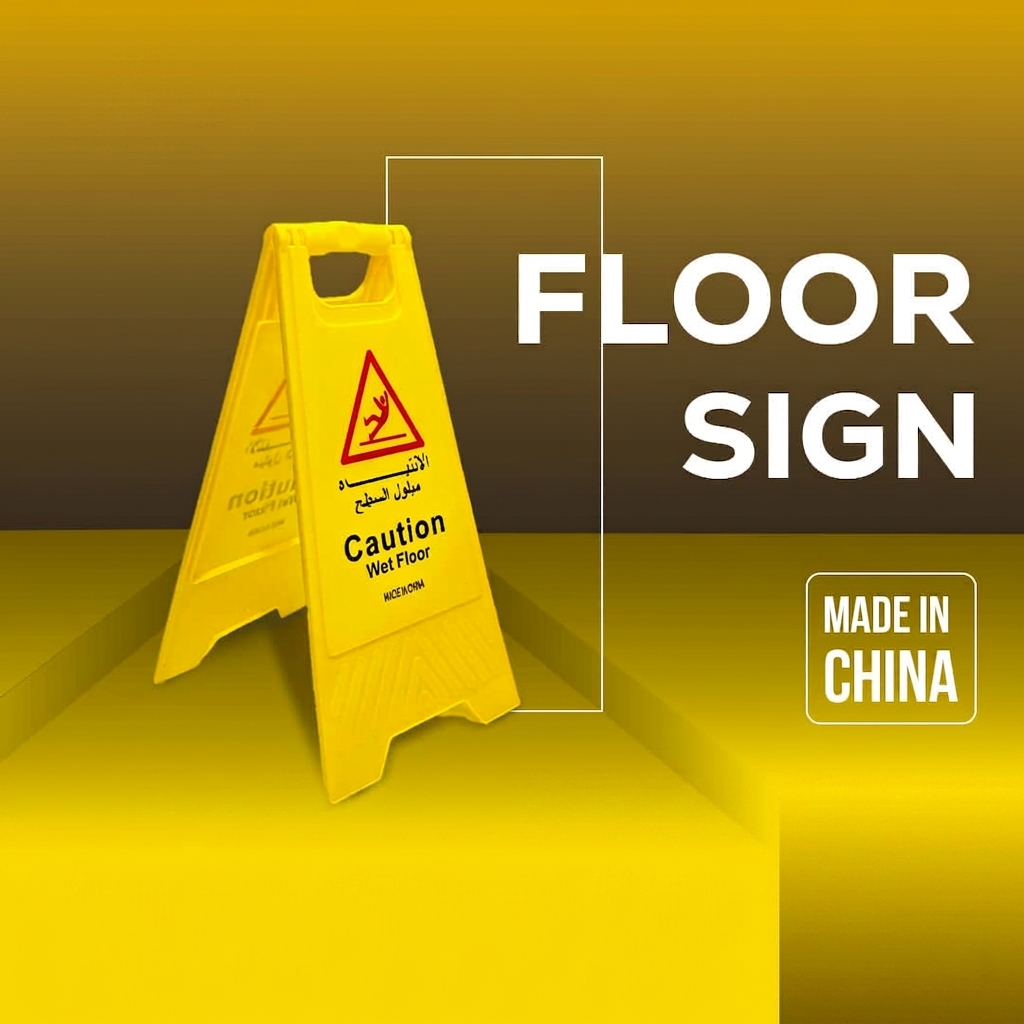
Floor Sign

QAR 18.00

STOCK:
COUNTRY OF ORIGIN:
BRAND:
AVAILABLE
N/A

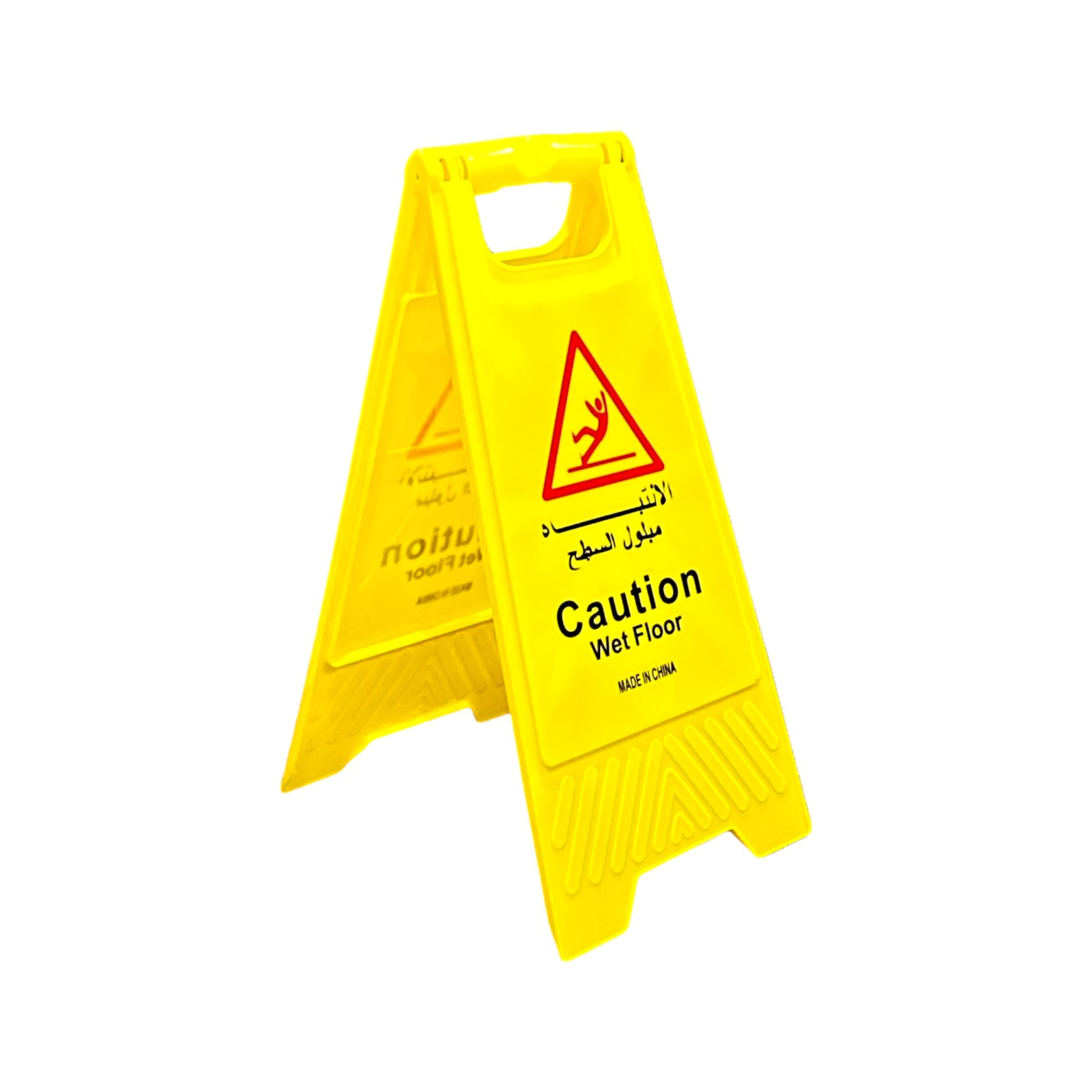
Floor signs are durable, customizable solutions for clear and concise communication. They’re perfect for indicating directions, safety warnings, and emergency exits. With easy installation and clear messaging, these signs enhance safety and organization in various settings.

Floor signs are essential tools for providing clear and concise information in various settings. They are durable, customizable, and easy to install, making them ideal for directing foot traffic, highlighting hazards, and conveying important messages. By using floor signs, you can enhance safety, improve efficiency, and create a more organized environment.

Product Features — Floor Sign

Product Features — Floor Sign

  • High visibility colours & contrasting graphics — yellow / red / black or standard safety colours to attract attention.
  • Anti-slip / rugged material or coating — especially for adhered/adhesive floor signs or those exposed to moisture.
  • Durability & fade resistance — weatherproof, UV-resistant, laminate finish to protect print.
  • Secure mounting or stable base — adhesive backing, foldable stand, weighted base to prevent displacement.
  • Clear symbols & legible text — simple graphics, standardized pictograms, large fonts for readability.
  • Portable / foldable design (for temporary signs) — easy to deploy, store, transport.
  • Compliance standards marking — when applicable, indicates conformity to safety signage norms (ANSI, OSHA, EN, ISO etc.).
  • Customisable options — ability to print custom messages, logos, colours, or shapes depending on environment.

Applications & Use Cases — Floor Sign

Applications & Use Cases — Floor Sign

  • Slip / Fall Warning Zones
    • “Wet Floor” signs in corridors, restrooms, kitchens after mopping or spills
    • Areas where floors are regularly cleaned or surfaces temporarily slippery
    • Mopping, cleaning work in progress signage
    • Outdoor entranceways where water or snow may be tracked in
  • Hazard Marking & Restricted Areas
    • Marking zones under maintenance, construction, painting
    • Restricted / authorized-personnel areas
    • Aisles or pathways blocked or unsafe for use
    • Areas near machinery or equipment that impose risk at floor level
  • Wayfinding & Information
    • Directional signs for exits, evacuation routes on floor surfaces
    • Identification of department or floor numbers, building markers
    • Queue lane markers (e.g. “Please stand here”, social distancing)**
    • Retail or event spaces guiding foot traffic flow
  • Compliance & Safety Floor Marking
    • Factory / warehouse floor signs to communicate mandatory PPE zones, danger zones
    • Signs embedded or adhered to floor for long-term warnings
    • Anti-slip floor signs to reduce liability and conform to safety rules
    • Custom signage for 5S / safety culture in industrial setups **
  • Temporary & Portable Use
    • Foldable or A-frame wet-floor signs that can be moved easily
    • Portable boards used for spill control or hazard warnings
    • Events, exhibitions, or places where layouts change often
    • Public or commercial spaces during cleaning or maintenance tasks

FAQ — Floor Sign

FAQ — Floor Sign

1. What is a Floor Sign?

A floor sign is a sign or marker placed on or standing on the floor to communicate safety warnings, instructions, or directional information. These are often used temporarily or permanently to alert people about hazards like wet floors, restricted zones, or emergency exits. :contentReference[oaicite:0]{index=0}

2. What types of floor signs are there?

Common types include removable folding “A-frame” signs (e.g. wet floor), adhesive self-stick floor signs, anti-slip laminated decals, and custom printed floor labels. :contentReference[oaicite:1]{index=1}

3. What materials are used for floor signs?

Materials include water-proof plastics (polypropylene, polyethylene), vinyl, polyester, rubber, or industrial laminate over print to resist wear. Some signs have anti-slip coatings or top laminates to prevent slipping. :contentReference[oaicite:2]{index=2}

4. Where should floor signs be used?

They are used in workplaces, hospitals, schools, shops, factories, public spaces — especially where hazards exist (wet floor, spills), where directional or safety instructions are needed on the ground level, or where wall signs might not be visible. :contentReference[oaicite:3]{index=3}

5. What features are important for effectiveness?

Key features include high visibility (bright colours, reflective or contrasting graphic/text), durable material / anti-slip properties, clear symbols & text, stable or secure mounting / stand, ease of cleaning, and safe design (not creating tripping hazards). :contentReference[oaicite:4]{index=4}

6. Are floor signs required by regulation?

While specific regulations vary by country, floor signs can be part of safety sign standards (for example OSHA/ANSI in US, UK/EU safety signage rules) and may be required in certain environments to warn of hazards. Adhered floor signs may be treated as “signs” under safety signage definitions. :contentReference[oaicite:5]{index=5}

7. How do I maintain and clean floor signs?

Keep them clean from dirt, oil, and debris; if laminated or coated, avoid abrasive cleaning that might scratch the surface; check that adhesive or stand remains secure; replace signs when worn or the message becomes unreadable. :contentReference[oaicite:6]{index=6}

8. When should a floor sign be replaced?

Replace if print or colours fade; material cracks or peels; anti-slip top layer worn off; if adhesive/shedding reduces adhesion; or when message or symbol becomes unclear. Safety signage must always be legible.

Reviews

There are no reviews yet.

Be the first to review “Floor Sign”

Related Products

Shopping Cart0

No products in the cart.